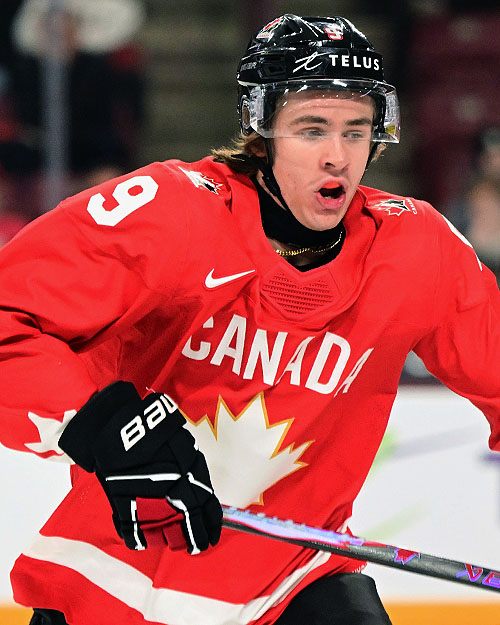
McKenna is the consensus crown jewel of the 2026 class. After making an early jump to the NCAA he finished near the top of the league in scoring — a franchise-altering offensive driver whose ability to manipulate space and initiate contact despite being undersized shows a maturity that does not match his age. He is the kind of player you build around.
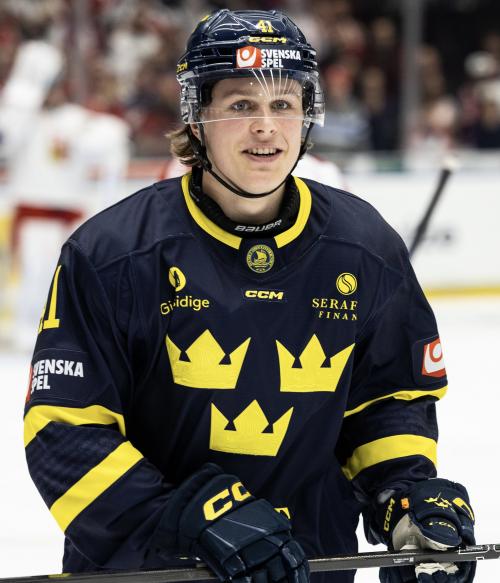
Stenberg is the most advanced 18-year-old in this draft class. Playing in the SHL against grown professional men, he recorded 33 points — the most by a draft-eligible player in that league since the Sedin twins in 1999. His gold medal performance at the World Juniors (10 points in 7 games) confirmed what the regular season showed. He is not a junior player. He is a pro who happens to be 18.
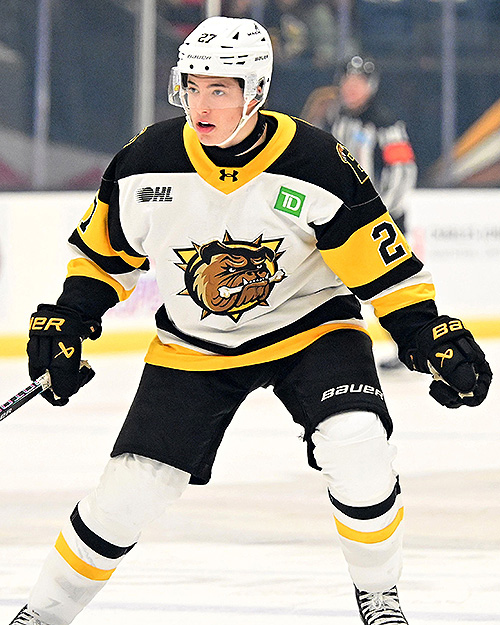
The son of former NHLer Manny Malhotra, Caleb is a polished two-way centre with exceptional physical conditioning and a heavy, NHL-calibre release. He brings rare defensive reliability to the forward position alongside legitimate scoring tools. The family bloodlines are there. The work ethic is visible.
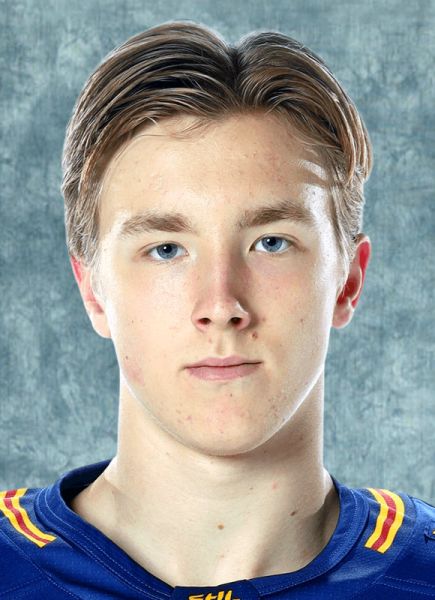
Björck played 42 games of professional SHL hockey at 17 and then went to the World Juniors and took the tournament over — 9 points in 7 games, gold medal, named one of Sweden's top three players. NHL Director of European Scouting called him a Crosby-type: clever movement, spatial awareness in tight areas, a never-ending motor that makes him dangerous at both ends. The frame is undersized. The game is not.
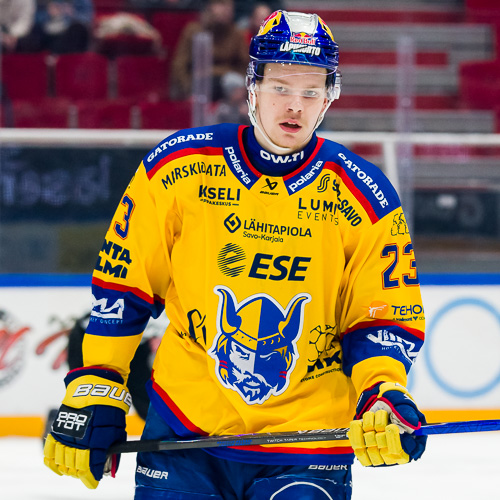
Smits is the best defenceman Latvia has ever produced for the NHL draft. He played men's professional hockey in Finland's Liiga at 18, averaged 23:40 a night at the World Juniors as an 18-year-old assistant captain, and was on Latvia's Olympic roster in Milano-Cortina. NHL comp is Moritz Seider. The mobility at 6'3" is elite. The compete is off the charts. He is ready now.
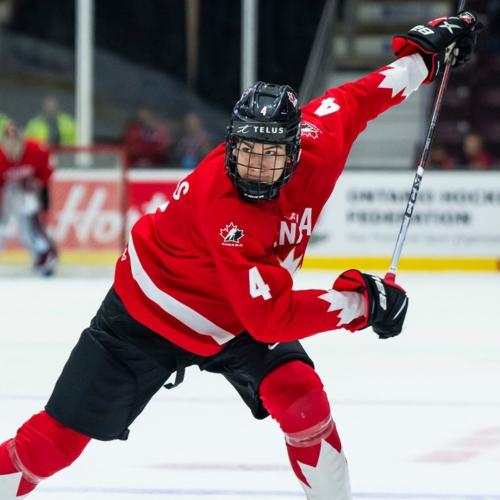
Carels separates himself with elite four-way skating mobility — the ability to gap up on rushes, recover pucks laterally, and transition in all directions. His offensive game emerged late in the season. Some scouts believe he is the most complete blueliner in this draft class.
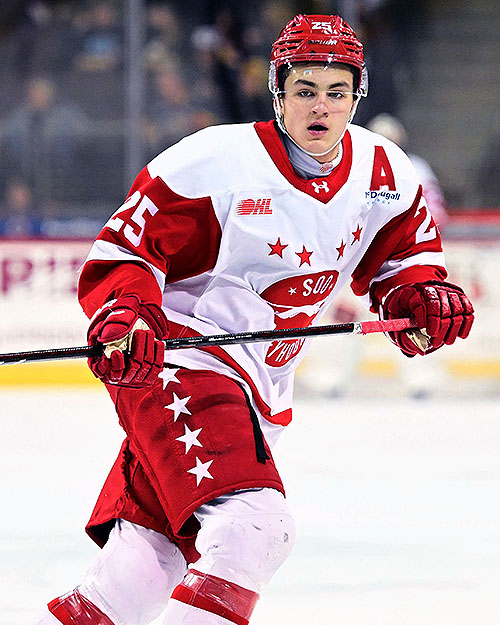
Reid is arguably the OHL's most impactful defenseman in transition — a true power play quarterback who logged massive minutes and drove offense from the back end. His heavy shot and vision make him dangerous with the man advantage. The offensive tools are legitimate. The defensive commitment needs to match them.
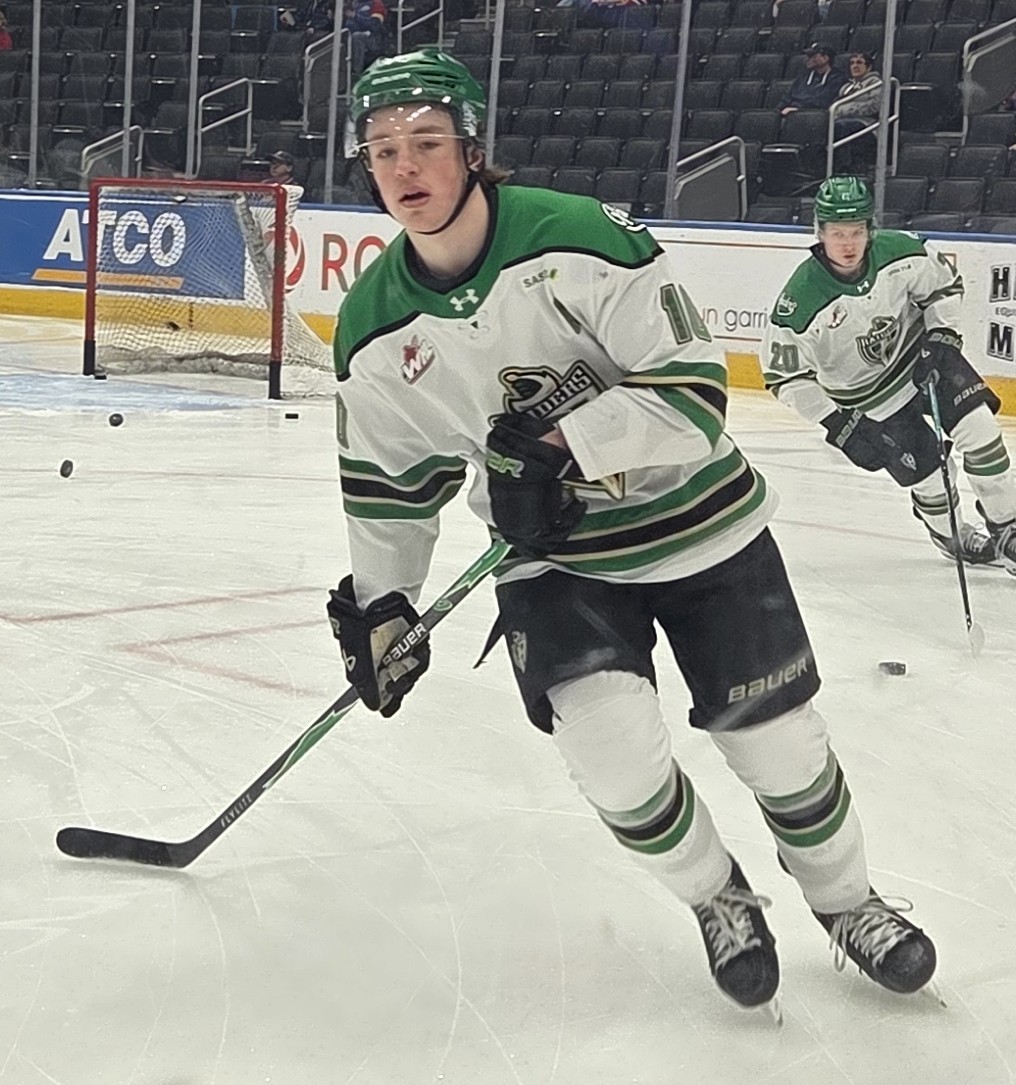
Rudolph is quietly one of the most complete defenders in this draft class. He led his team in scoring from the back end while being regarded as the best one-on-one defender available — a combination that is rare and valuable at any level. He is not talked about enough.
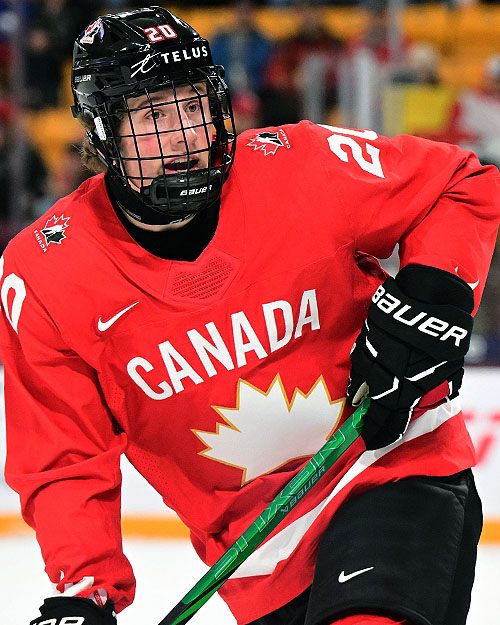
Verhoeff is a massive, puck-moving defenseman who blends modern mobility with a body already built for the NHL. Often compared to Aaron Ekblad, he uses his 6'4" reach to stifle attackers while generating offense from the point. Remarkably poised under pressure for a player his age.
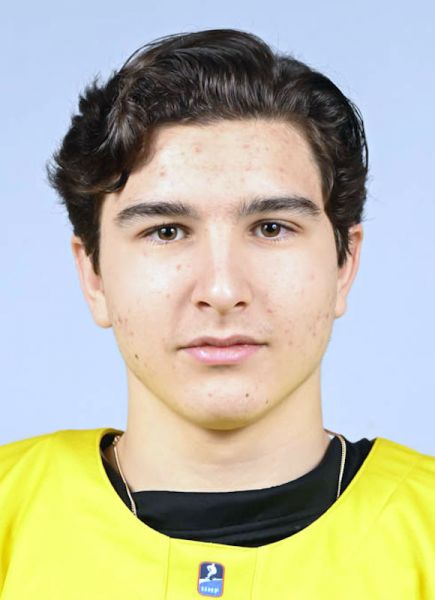
Command led Örebro in scoring and tied for the tournament scoring title at the U18 Five Nations with 7 points in 4 games for Sweden. His relentless forecheck, intelligent positioning, and two-way reliability are the hallmarks of his game. NHL comp is Elias Lindholm — not flashy, always right. He earns every shift. He disrupts every breakout. That translates.
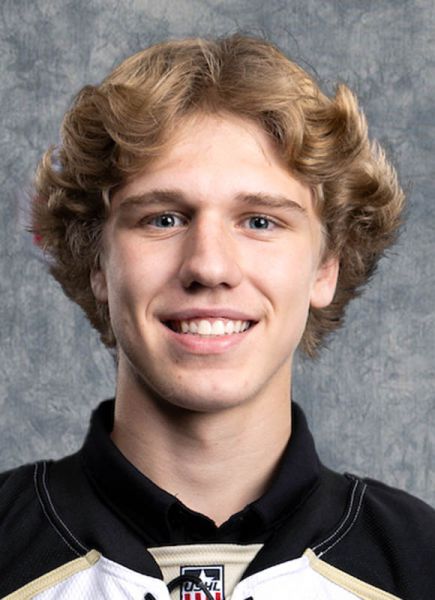
Lawrence plays a heavy, detailed game with professional-grade habits that stand out immediately. His freshman NCAA scoring numbers did not jump off the page, but the underlying game — winning battles, attacking the middle, supporting the backcheck — is NHL-ready today. Some players need the numbers. Lawrence already has the game.
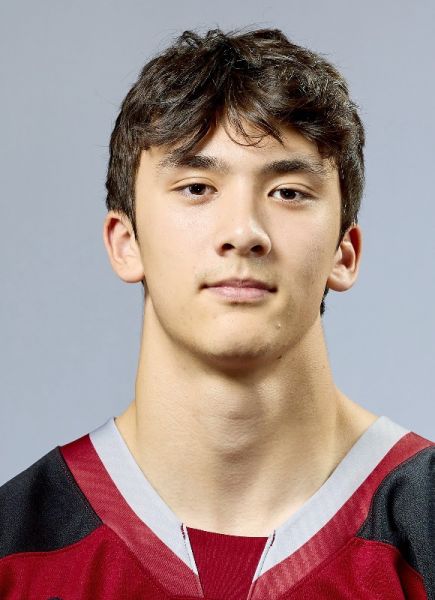
Lin was the WHL's best defenceman in his draft year — WHL MVP and Defenceman of the Year in the same season. His offensive read from the blueline is the best in this class after the top tier; he operates like an extra forward in transition. The frame is undersized but the game is elite. His hardware answers the size question.
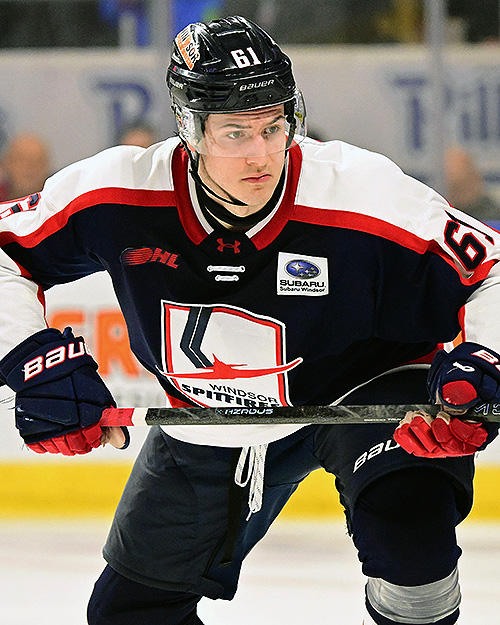
Belchetz is a rare physical specimen with the most polished net-front game in this draft class. His ability to use his massive reach to tip pucks, win retrieval battles in close quarters, and distribute from the wall makes him a unique power-forward asset. You cannot teach 6'5". You cannot teach those hands. The skating pace is the question.
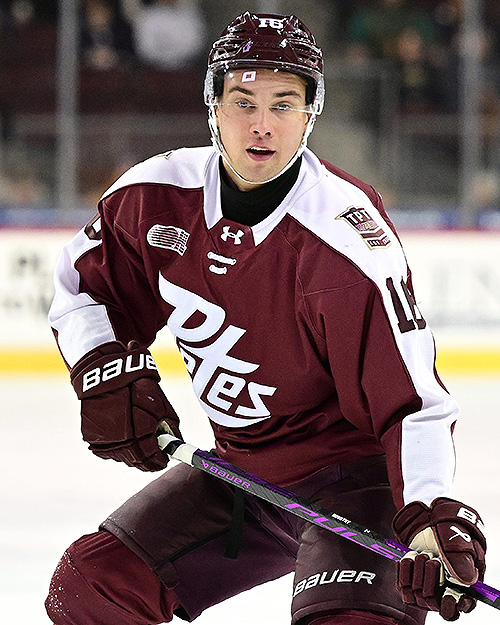
Novotny led Peterborough in goals and total production in his draft year. His physical projection at 6'1", 205 lbs is NHL-ready now, and his ability to drive the net from the left circle gives him a natural pro role. The point totals are honest — not system-inflated. He earns every one of them in traffic.
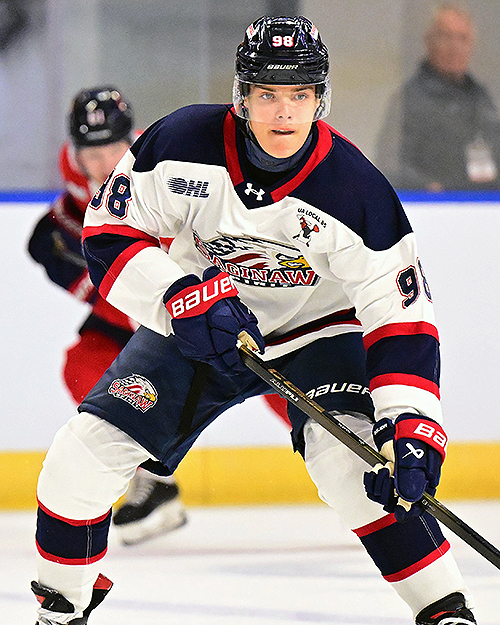
Klepov led the OHL in scoring with 97 points in 67 games. His ability to create offence from both wings and through the middle, combined with an elite shot release off the rush, makes him one of the most productive players in this class. The label says American-born. The game is pure Russian creativity.
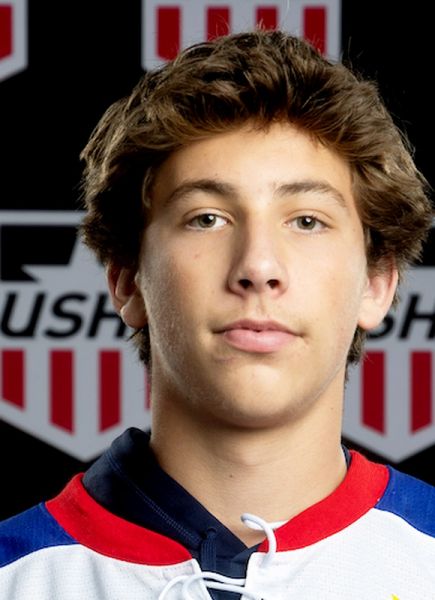
Cullen grew nine inches in two years and still skates like a smaller player — elite edges, clean agility, and the pace to get in behind defenders before they adjust. Despite missing 22 games to injury he led the entire NTDP program in points per game. At the U18 Worlds he finished third in tournament scoring with 9 points in 5 games for Team USA. His father Matt Cullen was drafted 35th overall and played 21 NHL seasons. The bloodlines are real. So is the game.
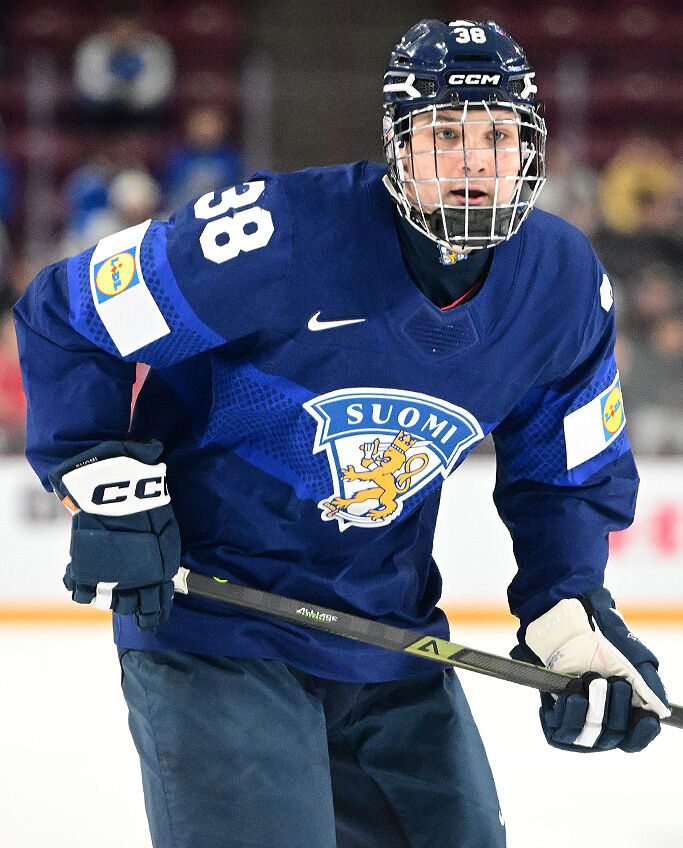
Suvanto played 48 games of professional Liiga hockey at age 17 — one of the youngest skaters in this draft class to be trusted with full pro deployment. What he does best is his defence: a remarkably mature centre who positions himself with veteran instincts, wins 1v1 battles with his 6'3" frame, and dominates the net-front with elite hands and reach. The skating needs to come. Everything else is already there.
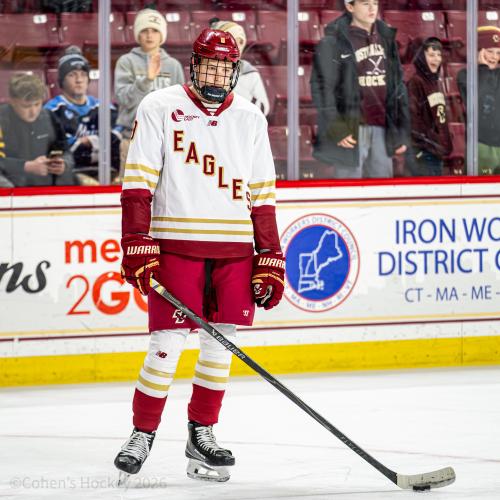
Hemming arrived at Boston College mid-season after representing Finland at the Hlinka Gretzky Cup and immediately earned a top-line role alongside James Hagens. In just 12 games he showed why Central Scouting ranked him 11th among North American skaters — a 6'4" winger with playmaking vision that jumps off the ice and defensive awareness advanced for his age. His ice time climbed to 16-17 minutes per game by season's end as coaches leaned on him. The sample is small. The tools are not.
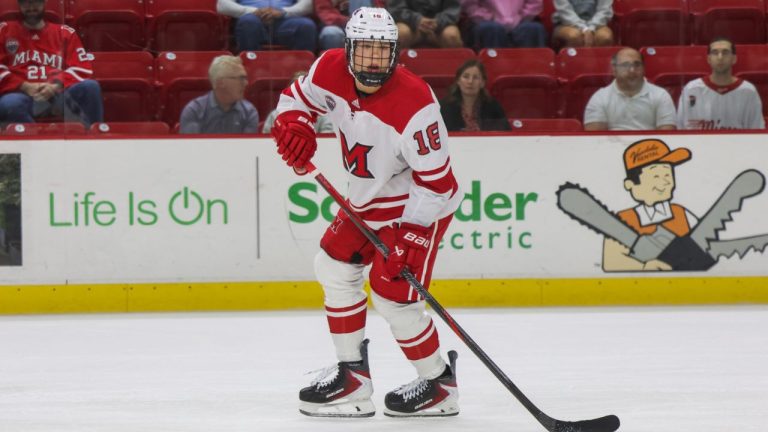
Morozov is a defense-first centre who provides stability and maturity well beyond his years. At 6'3" he was trusted with 20-plus minutes a night as a freshman at the NCAA level — a sign of what coaches see in his reliability. He is a safe floor for any GM. The ceiling depends on what he can add offensively.
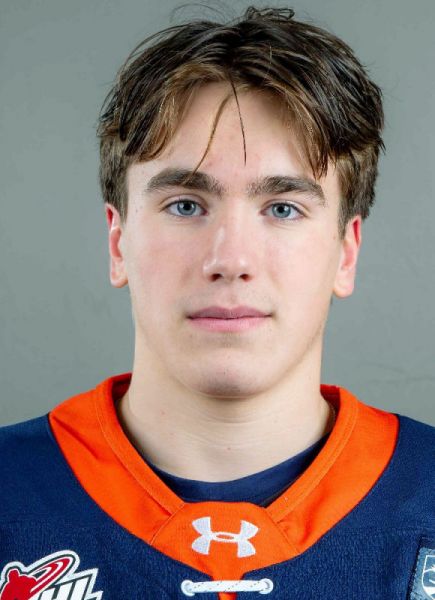
Hurlbert was the most dominant offensive player in the WHL this season — 42 goals and 97 points in his draft year, and at times so far ahead of the scoring race that nobody was close. He plays with physical power that lets him carve straight through the middle of the ice, and his one-touch release on the power play is already at an NHL calibre. The production is real and the compete level is undeniable. The question scouts are asking is whether he has a single trait that is truly elite at the next level.
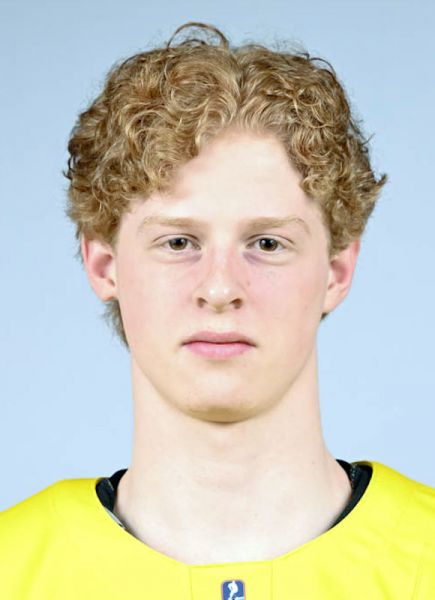
Gustafsson played 27 SHL games at 17 wearing an "A" for Sweden at the Hlinka Gretzky Cup, and was named to the All-Star team at the U18 Worlds after Sweden won gold. For a 6'4" defenceman, his mobility is the first thing scouts clock — he closes gap with edges that don't match his frame, kills transitions that most blueliners can't, and positions intelligently in all three zones. The offensive game is still arriving. The defensive foundation is already NHL-calibre.
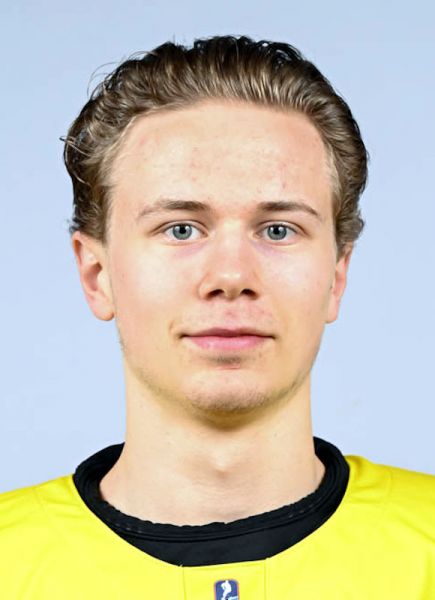
Hermansson played 38 games of professional HockeyAllsvenskan at 17 and led all U18 players in the league in points. He plays his best hockey when the game is fast — quick routes, sharp edges, and tempo-setting forechecking that forces rushed exits. His U18 Worlds performance was the statement of the tournament: tied for the scoring lead with 12 points in 7 games, named Best Forward, and Sweden took gold. He does not need to grow into this level. He is already at it.

Piiparinen is one of the best defensive defencemen in this class — and one of the youngest. He played 29 professional Liiga games at 17 with a maturity and positioning intelligence that reads as veteran instinct, not development. His skating is elite: above-average straight-line speed with the ability to walk the blue line, hunt loose pucks, and gap up in a way most teenagers cannot. The offence will come. The foundation is already NHL-calibre.
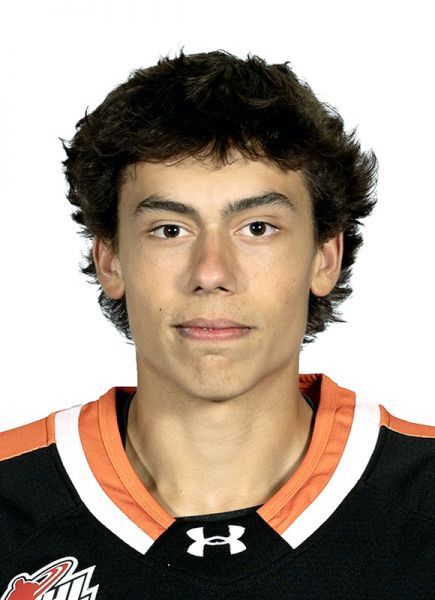
Markus Ruck won the WHL scoring title and the CHL Top Scorer Award with 108 points in 68 games — 87 of them assists. He is the table-setter: a true playmaking centre who sees the ice two passes ahead and finds teammates before defenders can close. Named to the WHL First All-Star Team and awarded the Bob Clarke Trophy as the league's top scorer. His identical twin Liam is the finisher; Markus is the reason Liam gets the puck. CS ranked him #23 among North American skaters. The room will figure it out tonight.

Shcherbakov made his KHL debut at 17 — the top professional league in Russia — while also logging 35 games in the VHL. At 6'5" he moves like a player half his size: elite four-way mobility, composure under pressure, and a defensive read that scouts describe as unusually mature for his age. He closes gaps quickly, shuts down rushes, and wins puck battles with reach and positioning rather than brute force. NHL Central Scouting ranked him 13th among international skaters. The frame is already there. The shutdown game is already there. The offence will come.
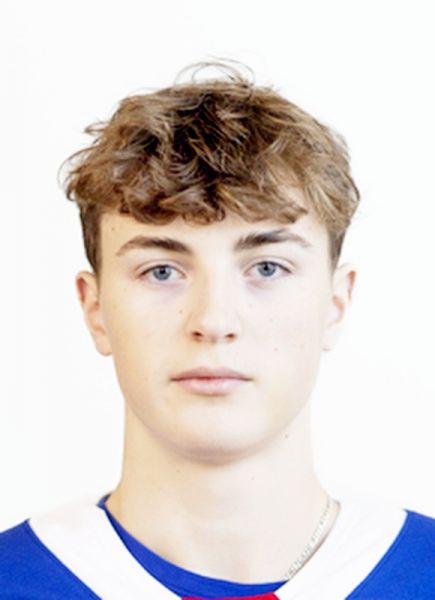
Bleyl set the all-time QMJHL rookie record for points by a defenceman — 13 goals and 68 assists for 81 points in 63 games — and was named the league's Defenceman of the Year. He controls the flow of play from the back end with elite passing mechanics and shooting ability, operates as a true PP quarterback, and finds shooting lanes faster than defenders can close them. NHL Central Scouting rose from #35 to #17 on its final North American board. NHL comp is Jamie Drysdale. The numbers are not a fluke. They are a statement.
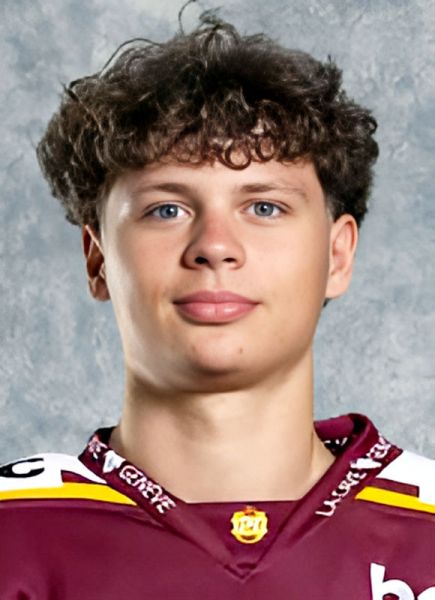
Born in Memphis, Tennessee of Lithuanian heritage, Ignatavicius played 52 games of professional hockey in Switzerland's National League at 17 — one of the strongest European leagues outside the SHL. He is a physically imposing winger who protects pucks with his 6'3" frame and reach, wins board battles against grown men, and generates offense through strength and positioning rather than pure speed. On loan to HC Thurgau he produced 7 goals and 11 points in just 8 games. NHL Central Scouting ranked him 10th among European skaters. The comp is Teuvo Teravainen. The DNA is Brad Marchand.

Shilov put up 82 points in the QMJHL as a Russian-born centre — elite for the league, elite for his age. His ability to read the ice before the puck arrives is his defining trait; he never seems rushed. The question at the next level is whether his pace can keep up with his brain.
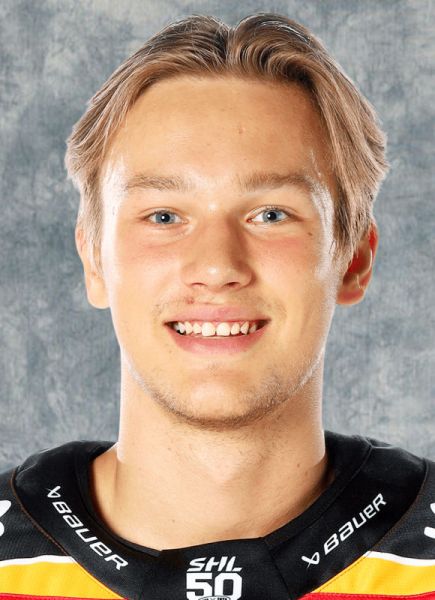
Håkansson played 22 games of professional SHL hockey at 17 — full deployment against grown men in one of the world's two best leagues. What scouts notice first is not the 6'4" frame but what he does with it: elite mobility, edges that don't match his size, and a defensive game built on positioning and physicality that projects as a genuine top-four NHL defenceman. He has seen action across three leagues in his draft year. The offensive numbers are thin. The defensive foundation is not.
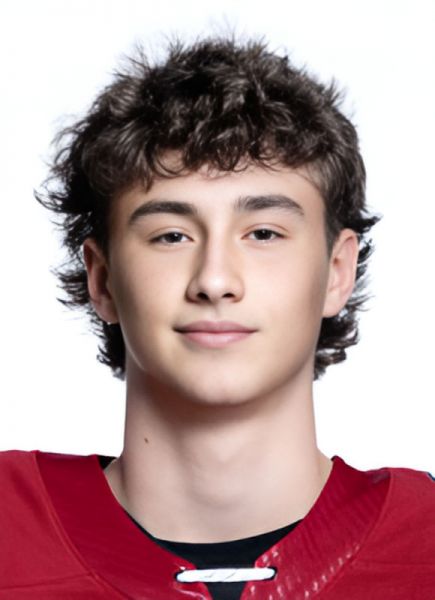
Dagenais led the QMJHL in shots in his draft year and won the Mike Bossy Trophy as the league's top professional prospect. He is a 6'4" centre who moves like a winger — quick first steps, physical board battles, and a lethal wrist shot that he uses from anywhere. NHL Central Scouting ranked him 15th among North American skaters. The shot volume is elite. The next step is attacking the middle of the ice with the same conviction he brings everywhere else.
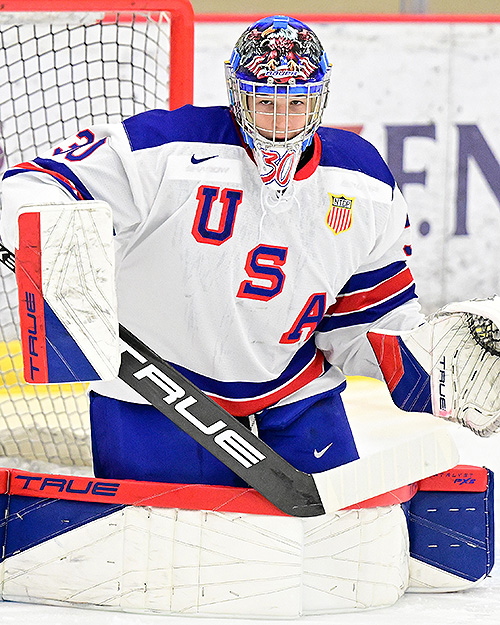
Pick 31. Every team in this room just spent thirty selections on forwards and defencemen. Slashing takes the goalie. Because a franchise without a goaltender is not a franchise — it is a roster waiting to collapse when it matters most. Jacob Fowler went 69th overall in 2023. He made his NHL debut with Montreal in December 2025. The Canadiens now have a foundation the rest of the league is scrambling to find. Knowling is 6'5", moves like he is half that size, stays square on every shot, and is the consensus number one goalie in this class. He is sitting right here at 31. The crowd does not see it yet. They will.
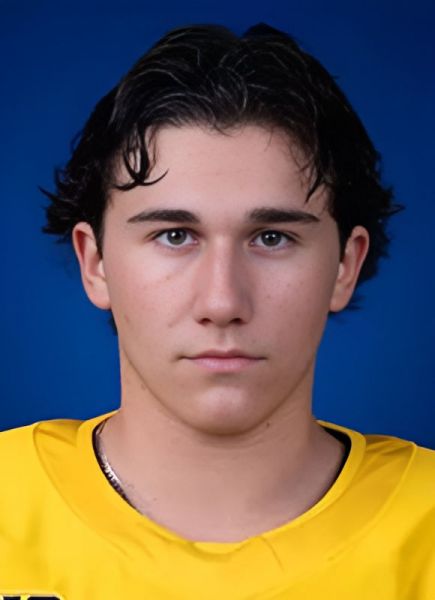
Valentini finished his freshman season as the second-highest-scoring freshman in the entire NCAA — behind only Gavin McKenna. He is a relentless forechecker who wins board battles against players much bigger than him, leverages a low centre of gravity to push opponents off pucks, and gets to every loose rebound before the defence adjusts. Scouts call him fearless. The frame is compact. The compete level is not human.